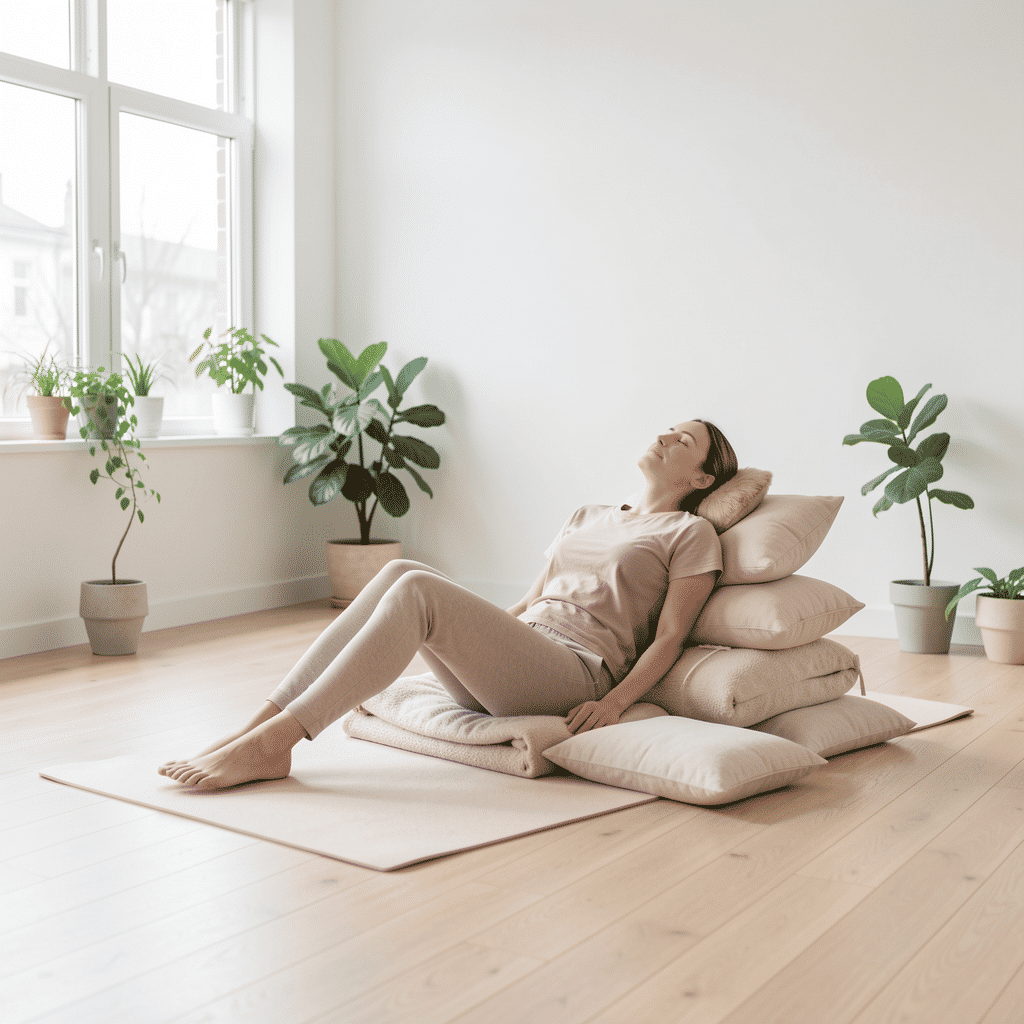
In today's fast-paced world, stress has become an unwelcome constant for many. From work pressures to personal challenges, stressful situations can take a toll on both our mental and physical well-being. Fortunately, yoga stands out as a time-tested method for alleviating stress, offering a holistic approach to achieving a state of mental clarity and relaxation.
Yoga, an ancient practice that combines physical poses, controlled breathing, and meditation, serves as a powerful ally against stress. It provides a refuge from daily pressures by encouraging mindfulness and offering a reprieve for the mind. Here's how yoga can become an integral part of your stress management toolkit:
The Science Behind Yoga and Stress Relief
Research has shown that the practice of yoga can reduce the levels of cortisol, the primary stress hormone, in the body. By focusing on the breath and mindful movement, yoga promotes a state of relaxation, enhancing the parasympathetic nervous system—or the "rest and digest" state—counteracting the body's stress response. This leads to reduced anxiety, a calm mind, and improved overall well-being.
Techniques and Poses for Relaxation
1. Ujjayi Breathing (Victorious Breath): This controlled breathing technique involves inhaling and exhaling through the nose with a slight constriction at the back of the throat, creating an audible ocean-like sound. Ujjayi breathing helps anchor the mind, reduce heart rate, and create a sense of calm, making it an excellent tool for managing stress.
2. Child’s Pose (Balasana): A simple yet effective pose, Child's Pose encourages deep relaxation. It gently stretches the hips, thighs, and ankles while calming the mind and relieving tension in the back and neck.
3. Legs-Up-the-Wall Pose (Viparita Karani): This restorative pose is perfect for stress relief. It involves lying on your back with your legs extended up a wall. It promotes circulation, reduces swelling in the legs, and fosters relaxation by calming the nervous system.
4. Cat-Cow Stretch (Marjaryasana-Bitilasana): Moving between these two poses helps to warm up the spine while releasing tension in the back and shoulders. As you flow through these gentle motions, focus on your breath to deepen the connection between body and mind.
5. Corpse Pose (Savasana): Often practiced at the end of a yoga session, Savasana offers complete relaxation. Lying flat on your back with arms and legs relaxed, you allow the body to assimilate the benefits of the yoga practice and enter a state of deep rest.
Mindfulness and Meditation
In addition to physical poses, integrating mindfulness and meditation into your yoga routine can greatly enhance stress-relieving benefits. Mindfulness encourages being present in the moment without judgment, reducing the tendency to dwell on stressors. Meditation, whether it's a guided session or silent contemplation, trains the mind to recognize and release stress-inducing thoughts.
Incorporating Yoga into Daily Life
Integrating yoga into your daily routine doesn’t require an extensive time commitment. Even a few minutes of focused breathing or a short sequence of poses each day can have profound effects on stress levels. Regular practice not only helps manage stress as it arises but also builds long-term resilience against future stressors.
In conclusion, yoga offers a comprehensive, accessible way to combat stress and cultivate a state of peace. Through a blend of physical postures, breathing techniques, and mindfulness, yoga equips individuals with tools to navigate the challenges of life with grace and calm. By dedicating time to this practice, you can enhance your physical health, mental clarity, and emotional well-being, reclaiming a sense of balance and tranquility in your life.